Office Cleaning in Modern Workspaces: Creating Healthier, More Productive Environments
Office cleaning is more than a routine task. It is a business essential that supports employee health, improves workplace presentation, and helps create a positive first impression for clients and visitors. Whether you manage a small startup, a corporate office, or a shared workspace, maintaining a clean environment can influence productivity, morale, and even long-term operating costs. In today’s competitive business landscape, professional office cleaning plays a practical role in keeping spaces hygienic, organized, and welcoming.
Many businesses now recognize that office cleaning is not simply about emptying bins and wiping desks. It includes sanitation, disinfection, floor care, restroom maintenance, dust control, and the upkeep of high-touch surfaces. A well-planned cleaning routine helps reduce allergens, limit the spread of germs, and create a setting where employees can focus on their work without distractions. Clean offices support better business performance, and that makes cleaning a smart investment rather than an optional expense.
From open-plan layouts to private offices and meeting rooms, each area of a workplace has unique cleaning needs. A successful office cleaning strategy addresses those needs consistently and professionally. It also adapts to changing workplace demands, such as hybrid schedules, higher hygiene expectations, and increased use of shared equipment. For businesses aiming to look polished and remain efficient, office cleaning is a core part of daily operations.
Why Office Cleaning Matters for Every Business

Office cleaning directly affects the way people experience a workplace. Employees notice when surfaces are tidy, restrooms are fresh, and common areas are maintained properly. Visitors notice too. A neat office can communicate professionalism, attention to detail, and reliability before a conversation even begins. In other words, office cleaning helps shape perception and brand image.
Beyond appearance, a consistent cleaning schedule supports health and safety. Workstations, door handles, light switches, keyboards, and shared kitchen surfaces can harbor bacteria and viruses. Regular office cleaning reduces the risk of contamination and helps prevent the spread of illness throughout the workplace. This is especially important in offices where many people share the same environment for long periods of time.
There is also a productivity benefit. Employees tend to work better in organized spaces that feel fresh and comfortable. A clean office reduces stress and distraction, allowing teams to focus on their responsibilities. When people do not have to worry about dust, clutter, or unpleasant odors, they are more likely to remain engaged and efficient.
What Professional Office Cleaning Typically Includes

Professional office cleaning services usually cover a wide range of tasks designed to maintain a workplace from top to bottom. These tasks can vary depending on the size of the office, the type of business, and the level of foot traffic. However, most office cleaning plans include common areas of responsibility that help ensure a consistent standard of cleanliness.
Typical office cleaning services include:
- Dusting desks, shelves, and office furniture
- Vacuuming carpets and rugs
- Mopping hard floors
- Cleaning and disinfecting restrooms
- Sanitizing kitchen and breakroom surfaces
- Emptying trash and recycling bins
- Cleaning windows, glass partitions, and doors
- Wiping down high-touch surfaces such as handles and switches
- Maintaining reception and waiting areas
Some businesses also require deeper services such as carpet extraction, floor polishing, upholstery care, and after-event cleanup. A reliable office cleaning provider can tailor the service to match daily, weekly, or monthly needs. That flexibility is one reason professional office cleaning remains valuable across industries.
When these tasks are performed regularly, the office stays cleaner longer and becomes easier to maintain. This creates a cycle of efficiency where less time is spent dealing with messes and more time is spent on actual business priorities.
Key Benefits of Office Cleaning for Workplaces
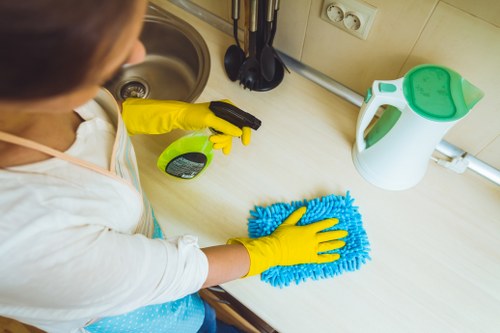
One of the biggest advantages of office cleaning is improved employee wellbeing. Clean work environments reduce exposure to dust, mold, bacteria, and clutter-related stress. Employees who feel comfortable in their surroundings are often more motivated and more satisfied with their workplace experience. A cleaner office can therefore contribute to lower absenteeism and stronger team morale.
Another major benefit is improved professionalism. If clients, investors, or partners visit your office, the state of the environment sends a message. A clean lobby, sparkling meeting room, and well-kept restroom can support confidence in your business. Many organizations use office cleaning as a simple yet powerful way to reinforce credibility and trust.
Office cleaning can also help protect assets. Dust and grime can damage electronics, furniture, flooring, and fixtures over time. Regular maintenance helps extend the life of these items and may reduce the need for costly replacements. Preventive office cleaning supports long-term savings by preserving the condition of your workspace.
Additional advantages include:
- Better indoor air quality
- Reduced spread of germs and allergens
- Improved workplace organization
- Fewer odors in shared spaces
- Stronger impression during client meetings
These benefits make office cleaning an operational priority, not just a visual one. Businesses that invest in cleanliness tend to enjoy a healthier and more efficient work environment overall.
How Office Cleaning Supports Health and Hygiene
Health and hygiene have become top concerns in modern workplaces. Offices are shared environments where people touch common surfaces, use communal equipment, and spend long hours indoors. Without proper office cleaning, germs can spread quickly and compromise employee health. That is why cleaning routines must go beyond surface appearance and focus on sanitation as well.
High-touch points deserve special attention. Items such as door knobs, elevator buttons, phones, keyboards, desks, and copier controls are used frequently and can easily collect contaminants. Office cleaning teams often prioritize these areas to lower the chance of transmission. In many workplaces, this extra attention helps create a healthier daily routine for staff.
Restrooms and kitchen spaces also require consistent care. These areas are naturally prone to bacteria and must be cleaned and disinfected thoroughly. Proper office cleaning helps maintain hygiene standards where shared food preparation, handwashing, and personal use take place. That attention to detail supports both safety and comfort.
Choosing the Right Office Cleaning Schedule

Every business has different cleaning needs, and the best office cleaning schedule depends on how the workplace is used. A busy corporate office may need daily cleaning, while a smaller professional suite might only require services a few times per week. The goal is to match the schedule with traffic, layout, and hygiene expectations.
Factors that influence the schedule include office size, number of employees, client visits, kitchen use, restroom traffic, and the type of flooring or furnishings in place. A business with high foot traffic and frequent meetings will generally need a more intensive office cleaning plan than a low-traffic administrative office. A personalized approach helps maintain standards without overspending.
Common scheduling options include:
- Daily office cleaning for high-traffic or customer-facing spaces
- Weekly office cleaning for smaller or less active workplaces
- Bi-weekly office cleaning for moderate use settings
- Monthly deep cleaning for detailed maintenance and special tasks
Many businesses combine regular maintenance with periodic deep cleaning to achieve the best results. This hybrid model keeps the office presentable every day while also addressing hidden dirt and buildup.
What to consider when setting a schedule
- Number of employees on-site
- Volume of daily visitors
- Shared spaces such as kitchens and meeting rooms
- Seasonal needs like allergy periods or winter mud
- Special cleaning requests for equipment or sensitive surfaces
A tailored office cleaning routine ensures that important tasks are not overlooked and that the workplace remains consistently professional.
Office Cleaning for Different Types of Workplaces

Not all offices are the same, so office cleaning must be adjusted to the environment. A law firm, medical office, creative studio, call center, and coworking space will all have different cleaning priorities. The most effective cleaning plans account for how the space functions on a daily basis.
For example, a reception-heavy business may need extra care in waiting areas, glass doors, and front-desk surfaces. A technology company might require more attention to keyboards, cables, and shared devices. A corporate office with many meeting rooms may need frequent table cleaning, chair sanitizing, and floor maintenance. One-size-fits-all cleaning rarely delivers the best result.
Coworking spaces present unique challenges because multiple businesses share the same environment. In these settings, office cleaning must focus on consistency, sanitation, and quick turnaround between users. Similarly, healthcare-adjacent offices or consulting spaces often need enhanced disinfection protocols to support hygiene expectations and client comfort.
Examples of workplace-specific needs
- Reception areas: polished surfaces, clean glass, and organized seating
- Meeting rooms: sanitized tables, chairs, and presentation equipment
- Breakrooms: disinfected counters, sinks, microwaves, and appliances
- Private offices: dust removal and desk surface care
- Shared workstations: regular sanitization of keyboards and touchpoints
By adapting the office cleaning process to each environment, businesses can maintain a standard of care that supports both function and appearance.
Eco-Friendly Office Cleaning: A Growing Priority
Many organizations are now looking for sustainable office cleaning options that reduce environmental impact without sacrificing results. Eco-friendly cleaning methods often use biodegradable products, microfiber materials, low-water techniques, and equipment designed to improve efficiency. These practices appeal to businesses that want to support both workplace health and broader sustainability goals.
Green office cleaning can also be beneficial for indoor air quality. Harsh chemical odors may bother staff or visitors, especially in enclosed office settings. Choosing safer, low-toxicity products can create a more pleasant atmosphere while still maintaining cleanliness. This is especially useful in offices where employees spend much of the day at their desks.
There is no need to compromise on performance when using sustainable products. Modern office cleaning solutions can effectively remove dirt, sanitize surfaces, and refresh spaces while supporting environmentally responsible practices. Eco-friendly office cleaning is a practical choice for businesses that value health, comfort, and sustainability.
Benefits of green office cleaning
- Reduced exposure to harsh chemicals
- Better support for indoor air quality
- Alignment with sustainability goals
- Potential reduction in waste
- Positive brand messaging for environmentally conscious businesses
Simple ways to make cleaning more sustainable
- Use refillable dispensers where possible
- Choose concentrated cleaning solutions
- Prioritize reusable microfiber cloths
- Reduce single-use disposable materials
For businesses with environmental targets, office cleaning can be an easy area to improve without disrupting daily operations.
How Office Cleaning Improves Productivity
Productivity is closely linked to the work environment. A cluttered, dusty, or disorganized office can distract employees and make tasks feel more difficult. On the other hand, a tidy workspace supports concentration, efficiency, and a sense of calm. That is one reason office cleaning is often associated with better performance.
Clean desks and organized shared areas help employees find what they need quickly. Less time wasted searching for documents, supplies, or workspace tools means more time spent on meaningful work. Office cleaning also supports a more structured workplace culture where expectations are clear and standards are high.
In addition, a clean setting can reduce mental fatigue. People generally feel better in spaces that look and smell fresh. A clean office is a more focused office, and that can contribute to smoother communication, fewer distractions, and stronger day-to-day output.
Office Cleaning Challenges Businesses Often Face
Even when businesses understand the importance of office cleaning, implementation can present challenges. Busy schedules, varying employee habits, and shared spaces can make it difficult to maintain consistency. Spills, paper buildup, and untidy common areas can appear quickly in active environments.
Another challenge is keeping up with high-touch areas. These surfaces are easy to overlook because they are used constantly throughout the day. Office cleaning teams must stay attentive to these details in order to support real hygiene improvements. Without a clear routine, tasks can be skipped or delayed.
Budget concerns can also affect decisions. Some businesses try to reduce cleaning costs by limiting service frequency, but this can create bigger issues later if dirt builds up or maintenance becomes more expensive. A balanced office cleaning plan often provides better value than irregular or reactive cleaning. Consistency usually costs less than neglect.
What to Look for in an Office Cleaning Service
If a business chooses to outsource office cleaning, selecting the right provider matters. A professional service should be able to deliver reliable results, communicate clearly, and adapt to the needs of the workplace. Experience, attention to detail, and consistency are all important factors.
When evaluating office cleaning providers, look for services that offer flexible scheduling, trained staff, and a clear list of tasks. It is also helpful to choose a company that understands different office types and can create a plan tailored to your space. Businesses should seek providers that can handle both routine maintenance and occasional deep cleaning needs.
Useful qualities to consider include:
- Proven experience in office cleaning
- Flexible service plans
- Reliable quality control
- Knowledge of sanitation best practices
- Ability to clean a range of surfaces and environments
It is also smart to ask whether the cleaning team can work outside normal business hours to avoid disrupting employees. Many workplaces prefer evening or early morning office cleaning for convenience and privacy.
Daily Habits That Support Cleaner Offices
While professional office cleaning is essential, daily habits inside the workplace also make a difference. Employees can help maintain the environment by keeping personal work areas tidy, disposing of waste properly, and wiping up minor spills when they occur. Small actions add up to a cleaner and more organized office overall.
Encouraging shared responsibility can improve long-term results. For example, teams can be asked to keep breakrooms clear after use, return shared items to their proper places, and avoid letting paperwork pile up on communal surfaces. These habits make office cleaning more effective because there is less buildup between service visits.
Management can support this effort by providing enough bins, cleaning supplies, and storage space. When the office is set up with cleanliness in mind, employees are more likely to follow good habits naturally. This creates a workplace where office cleaning and daily discipline work together.
Practical cleanliness habits for staff
- Declutter desks at the end of the day
- Clear food and drink items from shared areas
- Wipe spills as soon as they happen
- Store supplies in designated places
- Respect common spaces and shared equipment
Why Regular Office Cleaning Is a Smart Long-Term Investment
Businesses often think of office cleaning as an operational cost, but it should also be viewed as a long-term investment. Cleaner workplaces last longer, function better, and create a better experience for everyone who uses them. Over time, the value extends beyond appearance and into health, morale, maintenance, and business reputation.
Regular office cleaning can also help avoid more serious issues. Neglected dirt, stains, and grime may become harder and more expensive to remove. Carpet wear, damaged finishes, and lingering odors are all examples of problems that can worsen when cleaning is inconsistent. Preventive maintenance helps avoid these complications.
For businesses that want to present a polished image and support employee wellbeing, office cleaning should be built into the workplace strategy from the start. Cleanliness is part of operational excellence, and it influences how a company performs every single day.
Final Thoughts on Office Cleaning
Office cleaning is one of the simplest ways to improve the quality of a workplace, yet its impact is substantial. It supports hygiene, boosts productivity, strengthens professionalism, and helps protect the assets that keep a business running. From daily maintenance to periodic deep cleaning, the right approach can transform an office into a more comfortable and effective place to work.
Whether your business needs routine upkeep, sanitation support, or a tailored cleaning schedule, prioritizing office cleaning is a practical decision with lasting benefits. A clean office feels better, works better, and reflects well on the people and brand behind it. If you want a healthier and more polished workspace, contact us today or book your service now to take the next step toward a cleaner environment.