End of Tenancy Cleaning: A Practical Approach to a Stress-Free Move-Out
Moving out of a rental property can be exciting, but it can also be one of the most stressful parts of relocating. Between packing boxes, organizing removals, updating addresses, and settling into a new home, it is easy to overlook the condition you leave behind. This is exactly why end of tenancy cleaning matters so much. A proper clean is not just about making the property look neat; it is about meeting tenancy expectations, protecting your deposit, and leaving the space in excellent condition for the next occupant.
For tenants, landlords, and letting agents alike, end of tenancy cleaning plays an important role in ensuring a smooth handover. It helps reduce disputes, improves property standards, and creates a polished finish that reflects well on everyone involved. Whether you are renting a studio flat, a family home, or a furnished apartment, the process requires care, attention to detail, and the right cleaning approach.
In this article, we will explore what end of tenancy cleaning involves, why it is so important, what areas need special attention, and how to prepare for a successful move-out clean. You will also find practical tips, useful checklists, and advice on when it makes sense to book professional help. If you are preparing to leave a rented property, this information will help you stay organized and increase your chances of a hassle-free checkout.
What End of Tenancy Cleaning Really Means

End of tenancy cleaning refers to a deep and thorough clean carried out when a tenant is moving out of a rental property. It is typically much more detailed than regular household cleaning and focuses on restoring the home to the condition expected at the start of the tenancy, allowing for fair wear and tear. In many cases, the tenancy agreement requires the property to be left clean, tidy, and ready for inspection.
Unlike routine weekly cleaning, this process targets hidden dirt, grease buildup, dust in difficult places, and marks that may have accumulated over time. It often includes cleaning inside cupboards, behind appliances, around skirting boards, and in bathrooms and kitchens where grime tends to build up the fastest. The goal is not just appearance; it is a deep clean that satisfies landlord or agent standards.
End of tenancy cleaning may be carried out by the tenant, by a professional cleaning team, or as a combination of both. Some people prefer to tackle simple tasks themselves and leave the most labor-intensive work to specialists. Others choose a full professional service to save time and reduce stress during a busy moving period. Either way, the end goal remains the same: hand the property back in excellent condition.
Why End of Tenancy Cleaning Matters

One of the biggest reasons tenants focus on end of tenancy cleaning is the deposit. Most rental agreements require the property to be returned in a clean condition, and a poor standard of cleanliness can lead to deductions. Because deposits are often significant, even a small issue such as dirty ovens, stained carpets, or neglected bathrooms can become a costly problem.
End of tenancy cleaning also helps avoid unnecessary disagreement. When a property is left spotless, there is less room for argument during the final inspection. That can make the move-out process faster and less stressful for everyone involved. Landlords and letting agents appreciate a well-maintained property because it makes re-letting easier and supports a positive reputation.
There is also a practical benefit: cleaning thoroughly before moving can help you spot any damage, missing items, or maintenance issues that need to be reported. This allows tenants to address concerns early, rather than discovering them after the handover. In many situations, a professional end of tenancy clean can be the difference between a smooth exit and a frustrating back-and-forth over standards.
Areas That Need the Most Attention
Some parts of the property need more than a quick wipe-down. Kitchens and bathrooms are usually the biggest focal points in any end of tenancy cleaning routine, because they gather grease, limescale, soap residue, and bacteria more quickly than other rooms. Ovens, hobs, sinks, taps, tiles, showers, toilets, and extractor fans often need extra attention to meet inspection standards.
Living rooms, bedrooms, and hallways should not be forgotten either. Dust can settle on skirting boards, shelves, light switches, radiators, and door frames. Carpets may need vacuuming or shampooing, while hard floors can require mopping and stain removal. Windows, mirrors, and internal glass should be left streak-free for a bright and polished finish.
It is also worth checking less visible spaces. Cupboard interiors, under beds, behind furniture, and around appliances can collect dust and debris over time. During end of tenancy cleaning, small details matter because inspectors often look beyond the obvious. A property may look clean at first glance but still fail to meet expectations if hidden areas are neglected.
Kitchen Cleaning Priorities

The kitchen often takes the most time during an end of tenancy clean because of the buildup that occurs from daily cooking. Grease on cabinets, stains on worktops, food splashes on walls, and residue inside appliances all need to be addressed carefully. A clean kitchen immediately improves the overall presentation of the property and can strongly influence the outcome of the final inspection.
Pay special attention to the oven, as this is one of the most commonly checked items. An oven that is left with carbon buildup or burnt residue can quickly become a source of deposit deductions. Clean the hob, extractor hood, microwave, fridge, freezer, and dishwasher if these are included in the property. Remove all items from cupboards and wipe them inside and out.
Useful kitchen cleaning tasks often include:
- Degreasing cabinets, splashbacks, and worktops
- Cleaning inside and outside appliances
- Removing limescale from sinks and taps
- Polishing stainless steel surfaces
- Emptying and disinfecting bins
- Wiping down switches, handles, and door frames
Bathroom Cleaning Standards You Should Aim For
Bathrooms are another area where cleaning expectations are high. Because they are exposed to moisture every day, bathrooms can develop soap scum, mould, water marks, and limescale around taps, showers, and tiles. A proper end of tenancy cleaning routine should leave the bathroom fresh, sanitized, and visibly free from buildup.
Toilet bowls, seats, sinks, baths, and shower trays should be scrubbed thoroughly. Mirrors need to be polished, and glass shower screens should be cleared of water spots and residue. Grout and tile edges may need extra treatment, especially if mould or mildew is present. A lingering smell, dirty sealant, or stained fixtures can make the whole property feel less cared for.
Bathrooms may also include extractor fans, cabinets, towel rails, and flooring that require attention. If the bathroom has been used heavily, a professional end of tenancy cleaning team can save time by using specialized products and tools to remove stubborn marks. In a move-out clean, a spotless bathroom makes a strong impression.
Bedrooms, Living Spaces, and Hallways
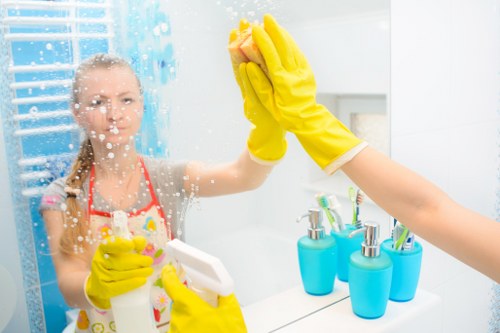
Although kitchens and bathrooms usually receive the most focus, the remaining rooms still matter a great deal. Bedrooms, living rooms, and hallways should be dust-free, vacuumed, and left in a tidy condition. These areas are often used every day, so dust and dirt build up gradually on furniture, skirting boards, shelves, and behind large items.
Windows should be cleaned, including frames and sills where dirt can gather. If curtains or blinds are part of the tenancy, they should be checked for dust and marks. Bedrooms should have wardrobes and drawers emptied completely and cleaned inside. Hallways and staircases should also be vacuumed carefully, especially in properties with carpets or rugs.
To keep things organized, many tenants use a room-by-room checklist during end of tenancy cleaning. This helps ensure nothing is missed and makes the process easier to manage. Even though these spaces may not seem as challenging as kitchens or bathrooms, their overall presentation contributes significantly to the final impression.
Floors, Carpets, and Hard Surfaces
Floor care is a crucial part of end of tenancy cleaning because floors cover such a large visible area in any home. Whether the property has carpet, laminate, vinyl, tile, or hardwood, each surface should be cleaned according to its needs. Carpeted rooms often need thorough vacuuming and, in some cases, steam cleaning or shampooing to remove stains and refresh the fibers.
Hard floors should be swept and mopped with suitable products that do not leave sticky residue. Pet hair, dust, and debris can gather in corners and around edges, so these areas need special attention. If the property has floorboards, laminate, or delicate surfaces, avoid excessive water to prevent damage. Clean floors not only look better but also show that the property has been cared for properly.
Tip: If you are dealing with stubborn stains, treat them as early as possible. The longer marks are left, the harder they can be to remove. During end of tenancy cleaning, a focus on floors can make the entire home appear brighter and more spacious.
How to Prepare for a Successful Move-Out Clean

Good preparation makes end of tenancy cleaning much easier. Before starting, remove all personal belongings from the property so every surface can be accessed properly. Cleaning around boxes or furniture can waste time and lead to missed spots. If possible, create an order of tasks so the most demanding areas are handled first.
It is also helpful to review the tenancy agreement. Some contracts specify the level of cleanliness expected, whether carpets must be professionally cleaned, and if appliances should be left in working order. Knowing these requirements in advance can help you avoid last-minute surprises and ensure the end of tenancy cleaning meets the correct standard.
Before you begin, gather the essentials:
- All-purpose cleaner
- Degreaser
- Bathroom cleaner
- Glass cleaner
- Microfiber cloths
- Sponges and scrub brushes
- Vacuum cleaner and mop
- Protective gloves
DIY End of Tenancy Cleaning vs Professional Services
Many tenants wonder whether they should clean the property themselves or hire professionals. The answer often depends on time, budget, and the condition of the home. A DIY approach can be cost-effective, especially if the property has been maintained well throughout the tenancy. However, it also requires effort, planning, and a strong eye for detail.
Professional end of tenancy cleaning services are designed to handle the work more efficiently and thoroughly. They bring experience, specialist products, and industrial-grade equipment that can tackle stubborn grime and tricky areas. This option is particularly useful if you are short on time, moving long distance, or dealing with a property that needs deep cleaning across multiple rooms.
Each option has advantages. DIY cleaning may suit smaller properties or tenants with plenty of time before checkout. Professional cleaning may be the better choice for busy households, larger homes, or tenants who want extra reassurance. In either case, the most important thing is that the property is returned in a clean and presentable state.
Common Mistakes to Avoid
Even with the best intentions, people often make simple mistakes during end of tenancy cleaning. One of the most common errors is leaving too much work until the final day. Moving is already hectic, and cleaning under pressure increases the chance of missing areas or doing a rushed job. Starting early can make a huge difference.
Another mistake is focusing only on visible areas. Inspectors often check cupboards, behind appliances, around fixtures, and in corners that tenants may overlook. Skipping these spaces can undo an otherwise good clean. Using the wrong products is also a problem, especially on delicate surfaces like wood, glass, or stainless steel.
Other mistakes include:
- Forgetting to defrost the fridge or freezer in time
- Leaving rubbish or unwanted items behind
- Ignoring limescale and mould
- Not cleaning light fittings and switches
- Overlooking internal windows and frames
How End of Tenancy Cleaning Supports a Better Handover
A clean property creates a better experience for everyone involved in the handover. For tenants, it shows responsibility and can help avoid delays when the deposit is reviewed. For landlords and agents, it speeds up the process of preparing the property for the next occupant. This is one reason end of tenancy cleaning is so strongly associated with smoother rental transitions.
There is also a psychological benefit. Handing back a tidy, spotless home gives closure and makes the move feel complete. Instead of leaving behind unfinished tasks, tenants can move on with confidence. A well-cleaned property also sends a positive message that the tenancy was handled with care and respect.
If you are aiming for a stress-free checkout, planning the clean in advance is one of the smartest things you can do. Whether you clean the property yourself or book your service now with a professional team, the outcome should be the same: a home that is ready to be passed on without unnecessary issues.
Room-by-Room End of Tenancy Cleaning Checklist
A simple checklist can help keep the process organized and reduce the chance of missing anything important. By working room by room, you can manage your time better and ensure the entire property receives proper attention. This is especially useful in larger homes where end of tenancy cleaning can feel overwhelming.
Kitchen
- Clean oven, hob, and extractor fan
- Wipe cabinets inside and out
- Clean fridge, freezer, and microwave
- Descale sink and taps
- Mop floor and remove food residue
Bathroom
- Scrub toilet, bath, shower, and sink
- Remove limescale from taps and glass
- Clean mirrors and tiles
- Empty and wipe cupboards
- Sanitize floors and drains
Living Areas and Bedrooms
- Dust all surfaces
- Vacuum carpets and rugs
- Clean windows, frames, and sills
- Wipe skirting boards and switches
- Empty wardrobes and drawers
When Professional Help Makes Sense
There are many situations where professional assistance is worth considering. If the property is large, furnished, or heavily used, a professional end of tenancy cleaning service can save hours of work. It can also be helpful if you are moving during a tight schedule or need to balance work, family, and relocation tasks at the same time.
Professional cleaners are also a smart choice when the property needs specialist treatment. For example, if there are stubborn oven stains, carpet marks, mould spots, or hard water buildup, experienced cleaners often have access to better equipment and products than the average household. Their work can create a more consistent result across the entire home.
For tenants who want confidence and convenience, hiring a service can reduce stress and improve the chances of passing inspection. In many cases, the time saved alone is worth the investment, especially when it helps protect a valuable deposit. Contact us today if you want to make the move-out process easier and more efficient.
Final Thoughts on End of Tenancy Cleaning
End of tenancy cleaning is more than a simple chore. It is a key part of ending a tenancy well, protecting your deposit, and leaving the property in a condition that reflects positively on you as a tenant. With the right planning, tools, and attention to detail, it is possible to complete the job successfully and avoid unnecessary stress.
From kitchens and bathrooms to carpets, windows, and hidden corners, every area contributes to the final result. The best approach is to start early, work systematically, and pay close attention to the places that matter most during inspection. If time is limited or the property needs extra care, professional support can make the process faster and more reliable.
Whether you are moving out of a small flat or a larger family home, a well-executed end of tenancy clean can help you close this chapter smoothly and confidently. If you are preparing for a move soon, make cleaning part of your plan from the beginning. Book your service now and give your property the finish it deserves.