Communal Area Cleaning for Safer, Healthier Shared Spaces
Communal area cleaning plays a vital role in keeping shared environments safe, presentable, and comfortable for everyone who uses them. From apartment blocks and student housing to office complexes and mixed-use buildings, communal area cleaning helps maintain hygiene, reduce unpleasant odors, and create a positive first impression. When shared spaces are cleaned regularly and professionally, residents, visitors, staff, and customers all benefit from a cleaner and more welcoming environment.
In busy buildings, high-traffic areas collect dirt quickly. Hallways, stairwells, lobbies, elevators, entryways, handrails, and communal washrooms are touched and used constantly. Without consistent communal area cleaning, these spaces can become unhygienic, dull, and potentially unsafe. That is why property managers, landlords, facility teams, and business owners increasingly prioritize reliable shared space maintenance.
Whether you are responsible for a residential building, commercial property, or mixed-use premises, understanding how communal area cleaning works can help you make better decisions for cleanliness, compliance, and long-term property care.
What Communal Area Cleaning Includes
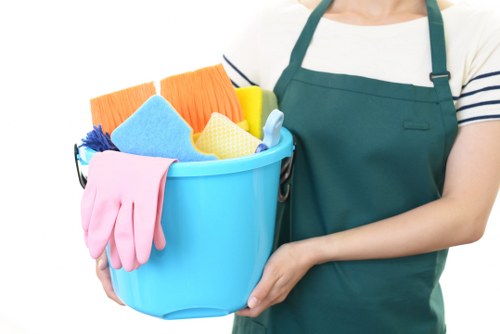
Communal area cleaning refers to the routine cleaning and maintenance of shared spaces in a property. These are areas used by multiple people, so they require more frequent attention than private rooms or individual units. The goal is not only visual cleanliness but also hygiene, safety, and comfort.
Typical communal area cleaning tasks may include sweeping, vacuuming, mopping, dusting, disinfecting touchpoints, removing litter, cleaning glass doors, wiping handrails, and maintaining washroom facilities. Depending on the property type, the service may also include bin emptying, carpet care, deodorizing, and periodic deep cleaning.
Common areas often need special attention because they are exposed to heavy foot traffic, weather contamination, and constant contact. In many buildings, communal area cleaning is scheduled daily or several times per week to keep standards consistently high.
Why Communal Area Cleaning Matters
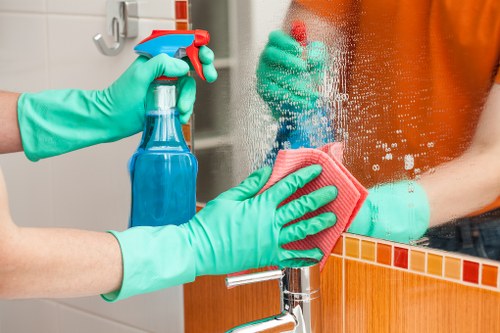
Effective communal area cleaning is more than a cosmetic service. It contributes to the overall quality of a building and helps protect the health of everyone inside it. Clean shared areas reduce the spread of germs, improve indoor air quality, and help prevent accidents caused by spills, dust, or debris.
For residential buildings, communal area cleaning supports a sense of pride and community. Residents are more likely to treat the property respectfully when hallways, entrances, and staircases are clearly maintained. For commercial premises, a clean environment strengthens brand image and creates confidence among staff and visitors.
There is also a financial benefit. Regular communal area cleaning can help preserve flooring, carpets, fixtures, and surfaces, reducing the need for costly repairs or premature replacements. In the long run, consistent maintenance is often more economical than reactive cleaning after damage has already occurred.
Types of Properties That Need Communal Area Cleaning
Communal area cleaning is valuable across many different property types. Each setting has unique needs, but all shared spaces benefit from a structured cleaning plan. Properties that commonly require these services include:
- Apartment buildings and residential complexes
- Student accommodation and shared housing
- Offices and corporate buildings
- Retail centers and shopping arcades
- Hotels and serviced apartments
- Healthcare facilities with public-facing shared zones
- Industrial sites with common staff areas
- Mixed-use developments with both residential and commercial spaces
Each building has its own cleaning priorities. For example, a residential block may need stairwell and lift cleaning, while an office building may need lobby polishing and restroom maintenance. A tailored communal area cleaning schedule ensures the right tasks are completed at the right frequency.
In all of these settings, the principle is the same: shared areas should reflect a standard of care that makes people feel safe, respected, and comfortable.
Key Areas Covered in Communal Area Cleaning

A strong communal area cleaning routine usually covers a wide range of surfaces and fixtures. The most commonly cleaned areas include:
Entrances and lobbies
These spaces create the first impression. Cleaning typically includes floor care, glass cleaning, dust removal, and wiping down reception counters or door handles.
Stairwells and landings
Stairs are high-risk areas for dust buildup and litter. Regular sweeping, vacuuming, and mopping help keep them safe and neat.
Corridors and hallways
These shared routes accumulate fingerprints, scuffs, and dirt. Communal area cleaning here often includes floor polishing, skirting board cleaning, and touchpoint disinfection.
Elevators and lift lobbies
Because they are touched by many people throughout the day, elevators need frequent disinfecting of buttons, handrails, mirrors, and doors.
Shared kitchens and washrooms
These areas require high standards of hygiene. Cleaning usually includes sanitizing sinks, worktops, toilets, basins, and appliance surfaces.
Additional tasks may involve cleaning noticeboards, removing cobwebs, maintaining bin stations, and keeping entrance mats free of debris. In well-managed buildings, nothing in the shared environment is left neglected for long.
Benefits of Professional Communal Area Cleaning
Professional communal area cleaning offers several important benefits that go beyond simple tidiness. A trained cleaning team can work efficiently, follow a detailed checklist, and maintain consistent standards that are difficult to achieve with occasional ad hoc cleaning.
One major advantage is hygiene. Professional cleaners understand how to target high-touch areas and use suitable products for different surfaces. This helps reduce bacteria and maintain a healthier shared environment. Another benefit is consistency, since scheduled visits ensure that communal spaces never fall too far behind.
Professional communal area cleaning also saves time for property managers and occupants. Instead of relying on residents or staff to handle shared area upkeep, a dedicated team takes responsibility for the work. That means smoother operations and fewer disputes about cleanliness standards.
Additional advantages include:
- Improved building presentation
- Reduced odors and waste buildup
- Lower slip and trip risks
- Longer lifespan for floors and fixtures
- Better tenant and visitor satisfaction
In short, investing in professional communal area cleaning is an investment in the overall quality of the property.
How Often Should Communal Areas Be Cleaned?
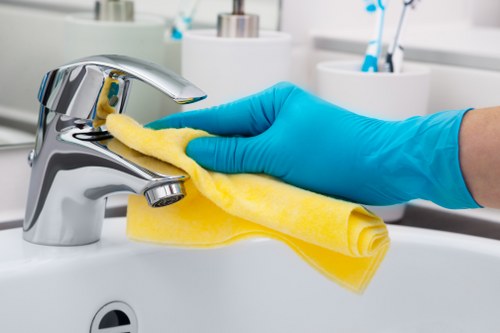
The frequency of communal area cleaning depends on the size of the property, the number of occupants, and the level of foot traffic. Busy apartment blocks or office buildings may require daily cleaning, while smaller properties may need service several times a week.
High-use areas such as lobbies, lifts, and washrooms usually demand more frequent attention. Less trafficked spaces, such as upper-floor landings or storage corridors, may be serviced on a different schedule. The best approach is to match the cleaning plan to the building’s actual usage rather than applying a one-size-fits-all routine.
Seasonal conditions also matter. During wet or muddy months, entrances and mats may require extra care. During warmer weather, waste areas and shared kitchens may need more frequent sanitation to control odors and pests. A flexible communal area cleaning plan helps properties stay clean throughout the year.
Examples of cleaning frequency
- Daily: Entrances, main hallways, elevators, washrooms, and touchpoints
- Several times per week: Stairwells, landings, glass panels, and bins
- Weekly: Deep dusting, skirting boards, corners, and detailed floor care
- Monthly or periodic: Carpet shampooing, machine scrubbing, and deep sanitation
Best Practices for Effective Communal Area Cleaning
Achieving excellent results in communal area cleaning requires more than a mop and bucket. It depends on planning, attention to detail, and the use of the right equipment and products. A well-organized service should follow a structured checklist so no area is overlooked.
Cleaners should work from top to bottom and from cleaner zones to dirtier zones where possible. This reduces the spread of dust and grime. High-touch points such as buttons, handles, switches, and banisters should always be prioritized. Floors should be cleaned using methods appropriate for the surface type to prevent damage.
Communication matters too. Building managers should be clear about priorities, access arrangements, and any special issues such as allergy concerns, flooring restrictions, or waste collection rules. Good communication helps communal area cleaning teams perform efficiently and consistently.
Practical best practices
- Create a detailed cleaning checklist
- Use color-coded cloths and equipment to avoid cross-contamination
- Apply suitable products for wood, tile, carpet, glass, and metal
- Record completed tasks for accountability
- Inspect shared spaces regularly for missed spots or emerging issues
Health, Safety, and Hygiene Considerations
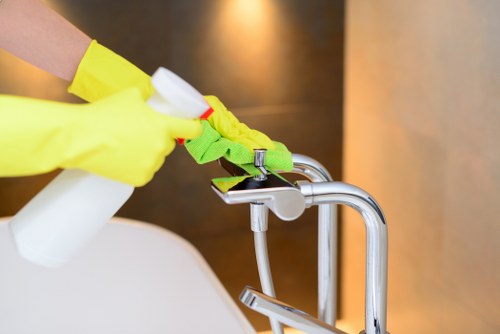
Health and safety are central to communal area cleaning. Shared spaces can quickly become hazardous if spills, debris, or clutter are left unattended. Regular cleaning helps reduce slip hazards, improves visibility, and supports a more sanitary environment for everyone.
Touchpoint hygiene is especially important in communal settings. Door handles, elevator buttons, bannisters, and intercom systems are all frequently used and can harbor germs if not cleaned properly. Using the right disinfectants and cleaning methods helps protect occupants and visitors alike.
Waste management is another key issue. Overflowing bins, discarded packaging, and untreated spills can attract pests and create unpleasant conditions. A reliable communal area cleaning routine includes monitoring waste stations and removing rubbish before it becomes a problem.
Safe cleaning practices should also protect the cleaning team. This includes using warning signs for wet floors, wearing appropriate protective equipment, and following product instructions carefully. A responsible service protects people while keeping the environment spotless.
Choosing the Right Communal Area Cleaning Service
Not all cleaning providers deliver the same standard of service. When selecting a communal area cleaning provider, it helps to look for reliability, experience, flexibility, and attention to detail. The best provider will understand the specific needs of your building and offer a cleaning plan that matches those requirements.
Before deciding, consider how the company handles scheduling, quality control, staffing, and communication. Ask whether they offer routine inspections, customized checklists, and responsive support if issues arise. A dependable communal area cleaning partner should be proactive rather than reactive.
It is also wise to choose a provider that uses environmentally responsible products where possible. Many property managers now prefer cleaning solutions that are effective yet less harsh on surfaces, occupants, and the wider environment.
Questions to consider
- Do they have experience with similar properties?
- Can they customize communal area cleaning schedules?
- Do they cover both daily upkeep and periodic deep cleaning?
- How do they ensure quality and consistency?
- Are their cleaning products suitable for your building?
Common Challenges in Shared Space Cleaning
Communal area cleaning can be challenging because shared spaces change quickly. Foot traffic, weather, waste disposal habits, and building use all affect the condition of the property. A cleaning team may have to deal with constant debris, unexpected spills, or repeated wear in the same areas.
Another challenge is balancing cleanliness with access. Cleaning teams must work around residents, employees, or visitors without causing disruption. This requires careful scheduling, efficient workflows, and a respectful approach to the people using the space.
Some buildings also face recurring issues such as littering, misuse of shared kitchens, or damage to walls and floors. While communal area cleaning can help control the effects of these problems, it works best when paired with good property management and clear building rules.
In many cases, the solution lies in combining regular cleaning with monitoring and maintenance. That way, small issues are addressed before they become expensive or visible problems.
Communal Area Cleaning and Property Value
Clean shared areas can have a noticeable impact on property value and perceived quality. A building that is well maintained tends to attract better tenants, retain occupants for longer periods, and project a more professional image. This applies to both residential and commercial real estate.
When communal area cleaning is neglected, the opposite often happens. Dirty hallways, stained carpets, and unkempt entrances can make a property seem poorly managed even if individual units or offices are in good condition. That perception can affect leasing, occupancy, and satisfaction.
Regular communal area cleaning signals that a property is cared for. It helps preserve finishes, supports safety, and gives the entire building a polished feel. For owners and managers, that can translate into stronger reputation and better long-term performance.
A smart maintenance choice
Consistent cleaning is not just a cost; it is a smart maintenance strategy that protects both appearance and value.
Eco-Friendly Approaches to Communal Area Cleaning
Many properties now look for greener ways to manage communal area cleaning. Eco-friendly cleaning methods can reduce environmental impact while still maintaining excellent standards. This often involves using biodegradable products, reducing unnecessary chemical use, and selecting reusable cleaning tools where appropriate.
Water efficiency is another consideration. Microfiber materials, controlled dilution systems, and targeted cleaning methods can reduce waste. Responsible waste handling also matters, particularly in buildings that generate large volumes of packaging and general rubbish.
For environmentally conscious property managers, eco-friendly communal area cleaning can be a practical way to align building care with sustainability goals. It supports a healthier indoor environment and can be a strong selling point for tenants and visitors who value responsible operations.
When done well, green cleaning practices deliver both cleanliness and peace of mind.
Why Consistency Is the Secret to Better Results
One-time cleaning can improve appearance temporarily, but consistency is what keeps communal areas in excellent condition. Regular visits prevent dirt from accumulating, stop minor issues from becoming major ones, and ensure that shared spaces always feel welcoming.
Consistency also builds trust. Residents, staff, and visitors notice when a property is reliably maintained. Over time, this creates a stronger impression than occasional deep cleans alone. A predictable communal area cleaning routine means the building looks cared for every day, not just after special attention.
That is why many property managers prefer scheduled service plans with clear task lists and regular inspections. A consistent approach keeps standards high, makes budgeting easier, and reduces complaints about cleanliness.
If your building needs a better standard of upkeep, now is the right time to act. Book your service now and take the first step toward cleaner shared spaces. Contact us today to arrange reliable communal area cleaning that supports your property’s image, hygiene, and long-term care.
Communal area cleaning is one of the most important services for maintaining a healthy, attractive, and functional property. From entrances and stairwells to lifts and shared washrooms, every communal space benefits from regular attention. With the right cleaning plan, property managers can protect surfaces, improve safety, and create a better experience for everyone who uses the building.