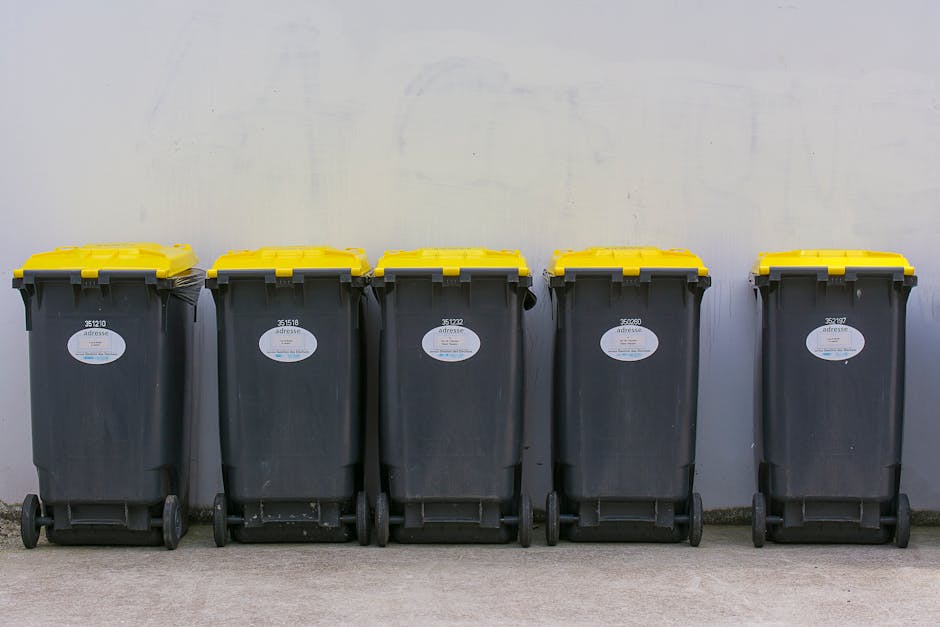
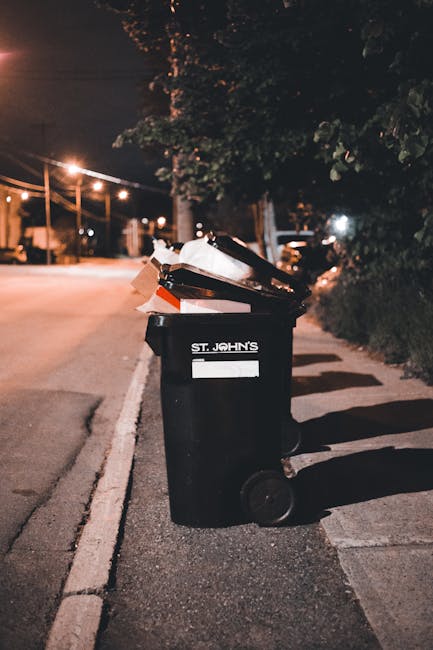
Maida Vale council rules for bulky waste and cleaning disposal: a practical local guide
If you live or work in Maida Vale, bulky waste and cleaning disposal can get awkward fast. A broken wardrobe sits in the hall. A sofa is too heavy for the stairs. There's leftover builder's dust, a bag of old textiles, or a stack of cleaning debris after a move. And suddenly you're trying to work out what the council expects, what can go in normal waste, and what needs a separate collection or licensed removal.
This guide breaks down the Maida Vale council rules for bulky waste and cleaning disposal in plain English. It focuses on what households, landlords, tenants, and local businesses usually need to know: how bulky items are handled, what typically counts as cleaning waste, what not to put out, and how to stay tidy, compliant, and neighbour-friendly. If you are planning a deep clean or preparing a property for handover, you may also find it useful to review deep cleaning services and end of tenancy cleaning for a cleaner reset before disposal decisions are made.
Truth be told, most disposal problems are not about bad intentions. They happen because people are in a rush, or because rubbish rules feel oddly specific at the exact moment you need them. Let's make it simpler.
Table of Contents
- Why Maida Vale council rules for bulky waste and cleaning disposal Matters
- How Maida Vale council rules for bulky waste and cleaning disposal Works
- Key Benefits and Practical Advantages
- Who This Is For and When It Makes Sense
- Step-by-Step Guidance
- Expert Tips for Better Results
- Common Mistakes to Avoid
- Tools, Resources and Recommendations
- Law, Compliance, Standards, or Best Practice
- Options, Methods, or Comparison Table
- Case Study or Real-World Example
- Practical Checklist
- Conclusion
- Frequently Asked Questions
Why Maida Vale council rules for bulky waste and cleaning disposal Matters
Bulky waste rules matter because they sit at the intersection of cleanliness, safety, and shared-space etiquette. In a dense London neighbourhood like Maida Vale, one badly placed mattress or an overfilled bin area can create a bigger issue than people expect. It can block access, attract complaints, and make a clean street look untidy by the end of the day.
There's also the practical side. Some items are too large for standard collections. Some cleaning residues can't simply be tipped into a communal bin. Some materials need sorting before they leave the property. If you mix everything together, you can create contamination problems, extra charges, or a rejected collection. Nobody wants a row of bin bags sitting out on the pavement on a damp Monday morning. Not a good look.
For renters, the rules matter because disposal decisions can affect deposit returns, inventory checks, and end-of-tenancy standards. For landlords and managing agents, the issue is usually about avoiding nuisance, keeping common areas usable, and preventing fire or hygiene risks. For businesses, it can also affect duty of care, waste handling expectations, and how professional the premises feel to staff and visitors.
In practice, the big idea is simple: separate bulky items from everyday waste, and separate cleaning-related waste from general rubbish wherever possible. That one habit solves a surprising amount of mess.
Expert summary: If an item is too large, too heavy, or too awkward for normal collection, treat it as bulky waste. If a material comes from cleaning work, think first about safety, contamination, and whether it needs bagging, sorting, or specialist disposal.
How Maida Vale council rules for bulky waste and cleaning disposal Works
While exact collection arrangements can change, the general structure is usually familiar across London boroughs. You check what counts as bulky waste, identify what counts as ordinary household waste, and then decide whether the item can be collected, taken to a suitable waste facility, or removed by a professional cleaner or clearance service.
Bulky waste usually means large household items such as furniture, mattresses, appliances, or other oversized objects that do not fit in standard bins. Cleaning disposal usually refers to waste created by cleaning activity: dust, debris, used cloths, packaging from cleaning products, vacuum contents, mop water, or waste gathered during a deep clean, move-out clean, or after-builders clean.
The tricky bit is that not all cleaning waste is the same. A bin bag of ordinary dust from a domestic clean is very different from fine plaster dust, paint flakes, contaminated cloths, or waste soaked with chemicals. Those need more care. In some situations, the safest approach is to keep materials separate from the start, label anything potentially hazardous, and avoid mixing cleaning waste with food waste or recyclables.
For example, after an after builders cleaning job, you may end up with heavy dust, fragments of packaging, and surface debris. That is not the same as the fluff and lint you might remove during regular cleaning. Different mess, different handling.
Another practical point: communal buildings often have their own expectations in addition to council rules. A managing agent may require items to be booked in advance, taken to a designated place, or removed only at certain times. So even if an item is technically allowed, the building rules may still shape what happens next.
What usually counts as bulky waste
- Sofas, armchairs, and large seating
- Beds, mattresses, and bed frames
- Wardrobes, shelving, and flat-pack furniture
- Large carpets or rug offcuts
- White goods such as fridges, freezers, or washing machines
- Large home items that cannot go in normal bins
What usually counts as cleaning disposal waste
- Dust, dirt, and debris collected during cleaning
- Used cloths, sponges, gloves, and disposable wipes
- Vacuum contents and sweepings
- Packaging from cleaning materials
- Residue from deep cleans, clear-outs, or refurbishment clean-ups
If you are clearing a property, combining waste from multiple activities often causes confusion. A good rule of thumb is to separate furniture disposal, general rubbish, recyclables, and anything that could be contaminated or hazardous.
Key Benefits and Practical Advantages
Following the right disposal route is not only about avoiding hassle. It also makes the whole clean-up process calmer, faster, and usually cheaper in the long run. When the waste stream is organised, you spend less time sorting through it later and less time wondering whether you've crossed a line.
Here are the main advantages:
- Cleaner shared spaces: Hallways, bin stores, front steps, and pavements stay usable and tidy.
- Fewer disputes: Clear disposal habits reduce friction with neighbours, agents, and building management.
- Lower risk of rejected waste: Proper sorting helps collections go through without avoidable problems.
- Better hygiene: Separating cleaning waste limits odours, stains, and cross-contamination.
- Smoother move-outs: If you're leaving a property, good disposal helps with inventory checks and handover expectations.
- More sustainable choices: Reuse, recycling, and correct sorting usually beat sending everything to general waste.
There's also a psychological benefit, oddly enough. A cleared room feels lighter. You can hear the space again. That empty echo after the last bulky item leaves is strangely satisfying. Very British, maybe, but true.
For households getting ready to move, practical services like move out cleaning and move in cleaning can help reduce the amount of loose dirt, packaging, and residue left behind before disposal starts.
Who This Is For and When It Makes Sense
This topic is relevant to more people than you might think. Maida Vale has a mix of mansion flats, period conversions, managed buildings, rented homes, and busy commercial spaces. Each one creates slightly different disposal needs, and each has its own pressure points.
Homeowners and residents
If you are replacing furniture, clearing a spare room, or dealing with the aftermath of a renovation, bulky waste rules help you avoid leaving items in the wrong place. If you have a mattress with a broken spring or an old sofa that has seen better days, planning disposal before the final clean saves time later.
Tenants
For tenants, disposal becomes urgent near the end of a tenancy. You may be balancing removals, cleaning, repairs, and timing. A missed item can quickly turn into a deposit headache. This is where careful planning really pays off.
Landlords and letting agents
If you manage multiple properties, bulky waste and cleaning disposal rules are part of your operational routine. One left-behind sofa or a pile of cleaning debris in a communal area can trigger complaints fast. A predictable process helps.
Businesses and offices
Offices, studios, and retail units often need furniture disposal, packaging removal, and routine cleaning waste management at the same time. Coordinating this with commercial cleaning or office cleaning keeps staff areas safer and less cluttered.
After refurbishment or building work
If you have just had work done, your issue may be a mix of dust, plaster, packaging, and heavier remnants. In those cases, after builders cleaning is often the cleanest way to hand the property back into normal use before disposal is finalised.
Step-by-Step Guidance
Here's a straightforward way to handle bulky waste and cleaning disposal without overthinking it. Simple does the job, most of the time.
- Sort the waste by type. Put bulky items, general waste, recyclables, and cleaning debris into separate groups.
- Identify anything hazardous. If the waste includes sharp items, chemical residues, broken glass, or contaminated materials, treat it carefully and do not mix it with ordinary rubbish.
- Check building rules first. In blocks with shared bins, there may be storage limits, collection windows, or item restrictions.
- Remove reusable items early. If something can be donated, reused, or sold, decide that before you schedule disposal. Once it's in the pile, things get messy.
- Book the right method. Use a council collection, private removal, or a professional clean-up route depending on size, urgency, and item type.
- Bag loose cleaning waste properly. Seal dust, cloths, and small debris so it does not spill in stairwells or on the way out.
- Keep walkways clear. Do not block exits, doorways, or communal areas while waiting for collection.
- Do a final check. Look behind furniture, under beds, inside cupboards, and in utility corners. That is where forgotten items hide.
If you are doing a property reset, pair the disposal process with one off cleaning or domestic cleaning so the space is ready for normal living again. And if the kitchen has taken a beating, yes, oven cleaning is one of those small jobs that makes the whole place feel sorted.
Expert Tips for Better Results
In our experience, the best disposal outcomes come from preparation, not brute force. A few small decisions at the start save a lot of awkward lifting and second-guessing later.
- Start with the heaviest object first. Once the sofa or wardrobe is out, the rest of the room becomes easier to manage.
- Use strong bags for dusty material. Thin bags split at the worst possible time, usually on stairs. Annoying, and avoidable.
- Protect shared floors and lifts. If you are moving waste through communal areas, take care with corners, carpets, and door frames.
- Keep liquids separate. Dirty water, mop buckets, and chemical leftovers should never be tipped into a general waste bag.
- Photograph the cleared space. This can help with tenancy records, building management updates, or just your own peace of mind.
- Plan disposal before cleaning day. That way, you are not trying to deep-clean around a wardrobe that still needs to be moved out.
If upholstery, rugs, or curtains are being replaced, it can help to clean the surrounding area before disposal. Services such as rug cleaning, sofa cleaning, and upholstery cleaning can reduce dust, odour, and residual staining before items are removed.
And one more small thing: don't leave the "final bag" until Sunday evening. It always becomes a bigger job than it looked at 2 p.m. Funny how that works.
Common Mistakes to Avoid
Most disposal mistakes are boringly predictable. The good news is they are easy to avoid once you know what to watch for.
- Leaving bulky waste next to the bins: If it is not booked or allowed, it can create an obstruction or be treated as fly-tipping.
- Mixing everything together: Once cleaning debris, recyclables, and furniture parts are piled together, sorting becomes slower and less efficient.
- Putting hazardous materials in general waste: This is the one to be careful with. Chemicals, sharps, and contaminated waste need proper handling.
- Forgetting communal rules: Building management may have stricter expectations than the general council approach.
- Overloading black bags: Heavy bags split and spill. Then you get the lovely domino effect of dirt across the hallway. Not ideal.
- Assuming all cleaning waste is harmless: Some residues are dusty, sharp, or irritating. Treat them with respect.
Another quiet mistake is waiting until the end of the job to think about disposal. That often leads to panic, extra mess, and a slower finish. A better plan is to treat disposal as part of the cleaning process, not something tacked on after it.
Tools, Resources and Recommendations
You do not need fancy equipment to manage bulky waste and cleaning disposal well. A few practical tools make the job safer and more organised.
- Heavy-duty refuse sacks: Useful for dust, cloths, and smaller debris.
- Labelled boxes or tubs: Good for separating reusable items, recyclables, and waste.
- Gloves and sturdy shoes: Basic protection for sharp edges and dusty surfaces.
- Dust sheets or old towels: Helpful when moving items through the property.
- Handheld vacuum or brush set: Useful for the final pass along skirting boards and corners.
- Bin store or staging area: A temporary place to sort waste before removal, if allowed.
From a service perspective, it can also help to choose a cleaning provider that understands both cleanliness and waste discipline. For example, if you need a property reset before disposal, services like move out cleaning, end of tenancy cleaning, or deep cleaning can be paired with a sensible clear-out plan.
It is also worth reviewing practical pages on recycling and sustainability and insurance and safety if you want a better feel for how a professional service approaches waste, risk, and protection of property.
Law, Compliance, Standards, or Best Practice
Any discussion of waste in the UK should be treated carefully. Council guidance, collection arrangements, and accepted item lists can change, and building rules can add another layer on top. So the safest approach is to follow current local instructions and avoid assumptions based on what worked somewhere else.
In broad terms, the standard expectations are familiar:
- Do not leave items in a way that obstructs pavements, entrances, or shared access.
- Do not contaminate recycling streams with general waste or cleaning residue.
- Do not dump waste in communal areas unless that is specifically permitted.
- Handle potentially hazardous materials with extra care.
- Use licensed or appropriate disposal routes for waste that is too large, too dirty, or too risky for normal bins.
Best practice also means thinking about traceability and duty of care. If waste leaves a business premises, for example, someone should be clear on who removed it and where it went. That does not need to be dramatic. It just needs to be tidy, documented where relevant, and not improvised at the last minute.
For landlords and agents, a written move-out process helps. For residents, a simple note on what is being removed, where it will go, and when it is scheduled is often enough. Clear records, clear path, less stress.
Options, Methods, or Comparison Table
There is no single right disposal method for every situation. The best option depends on the size of the item, how quickly it needs removing, and whether the waste is clean, mixed, or potentially contaminated.
| Method | Best for | Pros | Watch out for |
|---|---|---|---|
| Council bulky waste collection | Single large household items or a small set of items | Structured, familiar, often cost-aware | May need booking, item limits, or strict presentation rules |
| Private bulky waste removal | Urgent clear-outs, heavier loads, awkward access | Flexible timing, useful for fast turnaround | Choose a reputable provider and confirm what is included |
| DIY disposal with a suitable vehicle | Smaller load, able-bodied residents, permitted disposal route | Control over timing and sorting | Heavy lifting, travel time, and correct segregation are on you |
| Professional cleaning plus disposal planning | Move-outs, deep cleans, after-builders jobs, landlord refreshes | Cleaner finish, less time wasted, easier staging | Needs coordination so disposal and cleaning do not clash |
If you are managing a busy home or rental, pairing removal with house cleaning or communal area cleaning can be the difference between a rushed clear-out and a genuinely orderly reset.
Case Study or Real-World Example
Imagine a Maida Vale flat being prepared for a tenancy handover on a Friday afternoon. There is a sofa in the living room, a broken bedside table in the bedroom, a bag of dusty cloths from cleaning, and a pile of packaging from a new appliance. Nothing unusual. But if all of it is treated as one generic "rubbish pile," the process becomes clumsy very quickly.
The better approach is to split the work into stages. First, the sofa and bedside table are identified as bulky items. Then the loose cleaning debris is bagged. The packaging is flattened and separated if recyclable. The floors are vacuumed, skirting boards wiped, and the remaining dust handled as cleaning waste rather than mixed general rubbish.
By the end of the day, the flat is easier to inspect, the hallway is clear, and there is no random mountain of mixed waste by the door. Small win, big difference. The handover feels calm instead of chaotic, which is what people actually want, even if they do not say it out loud.
This kind of process also works well alongside Airbnb cleaning or commercial cleaning when a property needs to turn over quickly between uses.
Practical Checklist
Use this quick checklist before you put anything out for removal or collection:
- Have I separated bulky items from general cleaning waste?
- Is any item contaminated, sharp, wet, or chemically treated?
- Do I know whether the item can go in a normal bin, a recycling stream, or a bulky collection?
- Have I checked communal building rules or timing restrictions?
- Are all bags sealed and not overfilled?
- Have I cleared hallways, exits, and shared access routes?
- Have I set aside anything reusable, sellable, or donate-able?
- Is the space being cleaned after the waste is removed?
- Do I have gloves, strong bags, and basic protection for handling?
- Have I confirmed the next step if the load is too large for standard disposal?
If you can tick all ten, you are in a much better place than most people who try to improvise it on the day.
Get a free quote today and see how much you can save.
Conclusion
Maida Vale council rules for bulky waste and cleaning disposal are easiest to follow when you think in categories: bulky items, ordinary waste, cleaning debris, and anything potentially hazardous. Once you separate those from the start, the whole job becomes cleaner, safer, and far less frustrating.
Whether you are clearing a flat, preparing a rental, managing a business, or just trying to get a room back under control, the same principle applies: sort early, lift carefully, keep shared spaces clear, and use the right disposal route for the right material. That is the difference between a tidy finish and a last-minute scramble.
And if you are staring at the room thinking, "Right, where do I even begin?", start with the biggest item. Then breathe. It gets easier from there.
Frequently Asked Questions
What counts as bulky waste in Maida Vale?
Bulky waste usually means large items that do not fit in standard household bins, such as sofas, mattresses, wardrobes, and other oversized furniture. If it needs two people to move it comfortably, it is probably bulky enough to plan separately.
Can I leave bulky items beside the bins?
Usually no, unless the collection has been arranged and the local instructions allow it. Leaving items beside bins without permission can cause obstruction, neighbour complaints, or collection problems.
How should I dispose of cleaning waste after a deep clean?
Bag loose dust and debris securely, separate recyclables where possible, and keep any chemical residue or contaminated material apart from general rubbish. If the waste is unusual or heavy, treat it more cautiously than everyday household waste.
Do cleaning cloths and sponges go in general waste?
Often they do if they are not contaminated with hazardous substances, but it is still sensible to bag them neatly and keep them separate from recyclables. If a cloth has chemical residue on it, be extra careful.
What if I have both bulky furniture and cleaning debris?
Handle them as two separate streams. Move the furniture out first if needed, then collect the cleaning debris. Mixing them together makes sorting harder and usually slows everything down.
Do shared buildings in Maida Vale have extra rules?
Often they do. Communal buildings may have specific instructions for where waste can be placed, when it can be moved, and what must not be left in corridors or bin stores. Always check building rules as well as local disposal guidance.
Is it better to clean before or after removing bulky waste?
In most cases, remove the bulky items first, then clean around and behind them. That gives you better access to corners, skirting boards, and floor space.
What should I do with broken furniture during a move?
Separate it from the rest of your belongings and decide early whether it is going for reuse, repair, or disposal. If it is damaged beyond practical use, treat it as bulky waste and plan removal before moving day gets hectic.
Can I include carpets or rugs in bulky waste?
Sometimes yes, depending on size and condition, but large floor coverings often need to be rolled, secured, and handled carefully. If the rug is heavily soiled or waterlogged, that changes how it should be managed.
What is the safest way to handle dust and debris from cleaning?
Use sealed bags, wear gloves, avoid overfilling, and keep dust away from shared areas as much as possible. If the debris comes from building work or contains fine particles, treat it as more than ordinary dust.
When should I use a professional cleaning service?
If the property needs a thorough reset, the waste is awkward, or timing is tight, a professional service can save a lot of hassle. It is especially useful for move-outs, post-builder cleans, and busy communal properties.
How do I avoid problems with end-of-tenancy disposal?
Plan disposal before the final cleaning day, remove bulky items early, keep receipts or notes where relevant, and leave the property free of leftover debris. A structured approach usually makes the handover much smoother.