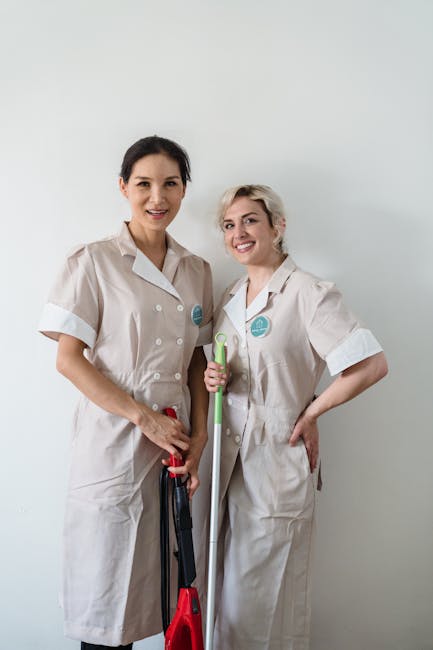
License and insurance requirements for Maida Vale cleaners

If you are comparing cleaning companies in Maida Vale, the paperwork can matter just as much as the price. The license and insurance requirements for Maida Vale cleaners are not always as simple as people expect, and that is exactly why many homeowners, landlords, and business managers end up asking the same question: what should a cleaner actually have in place before they step through the door?
To be fair, not every cleaning job needs a formal trade licence. But insurance, legal compliance, safe working practices, and transparent business records are a different story. If those basics are missing, you could be left dealing with avoidable damage, unclear responsibility, or a service that feels perfectly fine until something goes wrong. This guide breaks everything down in plain English, with practical checks you can use straight away.
Why License and insurance requirements for Maida Vale cleaners Matters
Cleaning may look straightforward from the outside, but the work often happens in homes full of valuables, rented properties with strict handover standards, and workplaces where slips, spills, and access issues are part of normal life. That is why the license and insurance requirements for Maida Vale cleaners matter so much. They are less about bureaucracy and more about trust, protection, and accountability.
In Maida Vale, people often book cleaners for everything from regular upkeep to one-off deep cleans, and each type of job carries a different level of risk. A quick weekly tidy in a flat is one thing. An after-builders clean with dust, debris, and awkward surfaces is another. Then you have specialist services such as deep cleaning, end of tenancy cleaning, or office cleaning, where a cleaner may be working around fragile fixtures, shared access areas, and time-sensitive expectations.
What many customers really want is simple: if something gets damaged, if a cleaner is injured, or if a job is not completed properly, who is responsible? Insurance answers that question. Good compliance answers the rest.
Practical takeaway: a cleaner does not need to sound legalistic, but they should be able to explain their cover, their safety standards, and how they handle complaints or claims without making it feel awkward.
How License and insurance requirements for Maida Vale cleaners Works
Here is the part that often gets muddled. In the UK, many cleaning businesses do not need a specific government-issued cleaning licence just to operate. The word "licence" is often used loosely by customers to mean "legitimate, registered, and properly set up." So, when people ask about license and insurance requirements, they are usually really asking about business compliance, public liability insurance, employer cover, and safe working practices.
A cleaner or cleaning company should normally be able to show that it operates as a real business, keeps records in order, and has the right protection in place for the type of work it does. That may include:
- appropriate public liability insurance
- employers' liability insurance if staff are employed
- clear terms and conditions
- a documented health and safety process
- data handling and privacy controls where customer details are stored
- transparent payment, cancellation, and complaint procedures
For higher-risk tasks, the bar rises. Think of after builders cleaning, carpet cleaning, or window cleaning. These jobs may involve ladders, chemical products, heavy equipment, moisture, or access challenges. Even a well-organised cleaner can have a bad day. A bucket spills. A vacuum leaves a mark. A customer trips over equipment that was left in the wrong place for thirty seconds too long. Insurance and good working practice are what keep a small mishap from becoming a big problem.
If you want to see how a professional service frames this side of the job, it helps to read a company's own insurance and safety information alongside its health and safety policy. That combination usually tells you a lot more than a flashy homepage ever will. Funny, really. The boring pages are often the useful ones.
Key Benefits and Practical Advantages
Good licensing and insurance discipline is not just about ticking a box. It improves the entire customer experience. You will notice the difference in small ways first: better communication, more careful setup, less guesswork, and fewer surprises when an issue pops up.
- Lower financial risk: If accidental damage happens, an insured cleaner is far easier to deal with than a sole operator with no backup.
- Better professionalism: A company that sorts out paperwork properly usually handles scheduling, quality control, and follow-up with more care.
- Safer working: Proper safety procedures reduce the chance of injuries, spills, and property damage.
- Stronger trust: Customers feel more comfortable handing over keys, alarms, or access to a property when the business looks properly run.
- Clearer accountability: If something goes wrong, there is a process for complaints, claims, or remedial work.
For landlords and letting agents, the benefits are especially practical. End-of-tenancy deadlines are tight, and the standard can be unforgiving. For business owners, it is about continuity. You cannot always afford to discover mid-clean that the contractor has no cover, no clear contact route, and no real paper trail. That is not a small admin issue; it is a risk to your property and your peace of mind.
There is also a quieter benefit people overlook: reliable compliance tends to support consistent quality. Cleaner teams that work from a proper framework are often better at repeat services such as regular cleaning or tailored domestic work like domestic cleaning and house cleaning. Less chaos. More rhythm. That matters over time.
Who This Is For and When It Makes Sense
Not every reader needs the same level of detail, but almost everyone benefits from checking the basics before booking a cleaner. This is especially true if you fall into one of these groups:
- Homeowners who want to protect furniture, flooring, and valuables while keeping the home presentable.
- Tenants who need confidence that a move-out job will stand up to inspection.
- Landlords and managing agents who need dependable, documented service around handovers.
- Airbnb hosts who care about speed, consistency, and guest-ready standards.
- Office managers who need a contractor that can work safely around staff and sensitive equipment.
- People booking specialist cleans such as upholstery, carpets, ovens, or post-renovation work.
If you only need a light tidy once in a while, the checklist can be shorter. But if the job is more complex, the cleaner will likely need stronger insurance, better equipment, and more structured procedures. For example, a property manager booking Airbnb cleaning may care more about reliability between guest stays, while someone arranging move-in cleaning will want proof that the property is safe, detailed, and ready for immediate use.
Truth be told, many people only think about insurance after an accident. That is a stressful time to start asking questions. Better to ask early, when you are calm and the kettle is still on.
Step-by-Step Guidance
If you are checking a cleaner in Maida Vale, follow a simple process. It is not complicated, just disciplined.
- Ask whether the business is properly set up. You do not need a lecture, just a straightforward answer about how they operate and whether they work as a sole trader or limited company.
- Request insurance details. Ask for evidence of public liability insurance at a minimum. If they employ staff, ask about employers' liability cover too.
- Check what the insurance actually covers. Some policies are narrow. Others exclude certain equipment, high-value items, or specialist tasks.
- Review their safety and complaint processes. A professional outfit should have clear procedures, not vague promises.
- Match the service to the risk level. A simple regular clean is one thing. An one-off cleaning visit or oven cleaning may need more detail around products and precautions.
- Confirm how access is handled. Keys, codes, concierge desks, and alarm systems need careful handling. Ask how they manage that.
- Get the booking terms in writing. Pricing, cancellation, scope, and payment terms should be clear before the team arrives.
A good cleaner will not make you feel odd for asking these things. In fact, the better ones usually appreciate it. It saves everyone time. It also filters out the slightly flaky operators, which, let's face it, every local market has a few of.
For broader reassurance, it helps if the business also publishes practical policies such as terms and conditions, privacy information, and payment and security details. None of those replace insurance, of course, but together they show a more serious operation.
Expert Tips for Better Results
After enough cleaning bookings, you start to see the same pattern: the best outcomes usually come from clear expectations upfront. Not dramatic, just organised. Here are the habits that tend to make the biggest difference.
- Ask specific questions. "Are you insured?" is okay. "What does the policy cover in case of accidental damage?" is better.
- Keep a record of what was agreed. A short email or booking note can help if there is any dispute later.
- Flag fragile items early. Mirrors, antiques, loose fittings, unsealed wood, and delicate fabrics deserve attention before the team starts.
- Use the right service type. Booking end of tenancy cleaning for a landlord handover is not the same as booking regular cleaning for weekly upkeep.
- Look at the company's specialist pages. A business that clearly explains services such as sofa cleaning or rug cleaning usually thinks carefully about treatment methods, not just price.
One small but useful tip: ask what happens if the cleaner arrives and spots a risk that changes the job. Maybe a stain needs a different approach, or a surface is too delicate for the planned product. Professionals should pause, explain, and adjust rather than charge ahead. That pause can save a lot of grief.
And if a company's own pages show attention to detail in areas like recycling and sustainability, that can be a sign they think in systems rather than shortcuts. Not a guarantee, obviously, but a helpful clue.
Common Mistakes to Avoid
People usually do not get into trouble because they are careless; they get into trouble because they assume too much. That is the real issue.
- Assuming every cleaner has the same cover. They do not. Policies differ a lot.
- Confusing a company website with proof of insurance. A polished site is nice. It is not evidence.
- Ignoring the difference between sole trader and employee cover. If staff are working, employers' liability is a serious matter.
- Booking a specialist job on a general assumption. A standard domestic clean is not always enough for post-build dust or heavy traffic damage.
- Skipping the terms and conditions. Those few minutes can prevent a lot of frustration later.
- Not checking complaint routes. If there is no clear process, small issues can become awkward and unresolved.
There is also the classic mistake of focusing only on the cheapest quote. Everyone likes a fair price. But the lowest quote can turn expensive if the cleaner lacks cover, rushes the work, or leaves you chasing answers later. Cheap and cheerful is lovely for a cup of tea. Less lovely when it involves a scratched floor or a missed handover deadline.
Tools, Resources and Recommendations
You do not need a full compliance department to make a sensible decision. A short, practical set of checks will do most of the work.
- Insurance certificate: Ask to see the cover level and expiry date.
- Scope of work: Make sure the quoted service matches the property and job type.
- Written terms: Useful for cancellations, access, payments, and issues.
- Health and safety policy: Especially useful for higher-risk work and commercial sites.
- Pricing page: Helps you understand how quotes are built and what extras may apply. The site's pricing and quotes guidance is a helpful example of the kind of clarity to look for.
- Contact details: A proper business should be reachable when needed, not just via a mystery inbox.
If you are a business customer, ask for a little more detail than a homeowner might need. For instance, office and communal-area work can involve shared entrances, other tenants, security rules, and cleaning outside normal hours. In those cases, a contractor's paperwork matters almost as much as the clean itself. It's a different rhythm altogether.
For service-specific planning, you may also want to review communal area cleaning if you manage shared spaces, or office cleaning if you are balancing hygiene with workplace continuity.
Law, Compliance, Standards, or Best Practice
Here we need to be careful and precise. The exact legal requirements for a cleaning business can vary depending on how it is structured, what type of work it does, and whether it employs staff. In the UK, many cleaning businesses do not need a specific trade licence simply to provide standard domestic cleaning services. However, they may still need to comply with a range of legal and practical duties.
Those duties can include insurance obligations, employment rules, health and safety responsibilities, data protection duties, tax registration, and safe handling of equipment and substances. Where specialist work is involved, the standards expected by customers and commercial clients tend to rise, even if the core service is still "just cleaning" on paper. The paper, as ever, is not the whole story.
Best practice usually means:
- having suitable public liability cover
- having employers' liability cover where staff are employed
- training cleaners to use products and tools safely
- documenting risk controls for ladders, electrical equipment, and chemicals
- keeping complaint and incident procedures clear
- handling customer data and access details responsibly
One more point worth saying plainly: a cleaner can be legally operating and still not be a good fit for your property. Compliance is the floor, not the ceiling. You still want communication, reliability, and common sense. A business that publishes useful policies, such as about us information, often gives a better sense of its standards and expectations than a quick sales pitch ever could.
Options, Methods, or Comparison Table
Different types of cleaning arrangements carry different levels of risk and therefore different expectations around insurance and oversight. Here is a simple comparison that should help.
| Cleaning arrangement | Typical risk level | What you should check | Best fit for |
|---|---|---|---|
| Regular domestic cleaning | Lower to moderate | Public liability, basic terms, access handling | Homes, apartments, recurring upkeep |
| One-off deep cleaning | Moderate | Products used, surface care, damage cover | Spring cleans, post-event resets, move support |
| End of tenancy cleaning | Moderate to higher | Scope, checklist, turnaround timing, complaint route | Tenants, landlords, agents |
| Commercial or office cleaning | Higher | Insurance, health and safety, staff cover, site rules | Businesses, offices, shared buildings |
| Specialist cleaning | Higher | Equipment, training, and task-specific exclusions | Carpets, upholstery, ovens, windows, after-build work |
If you are unsure where your job sits, ask yourself one question: does this involve fragile materials, specialist equipment, shared access, or a strict deadline? If the answer is yes to any of those, treat the booking as more than a basic tidy. For example, move-out cleaning often sits in a very different category from routine housekeeping, even if both jobs happen in the same flat.
Case Study or Real-World Example
Imagine a Maida Vale tenant moving out on a Friday afternoon. The property looks fine at first glance, but the letting agent has set a strict inspection for Saturday morning. The tenant books a cleaner based only on price and availability. The cleaner arrives, works quickly, and leaves the kitchen looking better, but a damp patch on a laminate section is missed and a small skirting area gets scuffed during moving furniture around.
Now imagine the same scenario, but with a properly insured cleaner. The booking had clear terms, the scope was written down, and the cleaner explained exactly what could and could not be covered. When the scuff is noticed, it is reported immediately and handled through the company's process. No arguments, no mystery, no long chain of texts at 11 p.m.
That second version is usually what customers are buying when they ask about license and insurance requirements. They are not really buying a document. They are buying calm.
We see the same logic with hosts and managers who book Airbnb cleaning. The actual clean matters, of course, but the smoother part is what guests never see: the systems behind the scenes. Fresh linens, checked surfaces, safe access, and a quick response if something changes at short notice. That is what makes the service feel dependable on a rainy Tuesday morning when the next guest is due by 3 p.m.
Practical Checklist
Use this before you book. Short, simple, useful.
- Ask whether the cleaner or company is properly registered and operating as a legitimate business.
- Request proof of public liability insurance.
- Confirm employers' liability insurance if staff are involved.
- Check whether the cover matches the specific type of cleaning you need.
- Read the terms and conditions before confirming.
- Ask about health and safety procedures for products, ladders, and equipment.
- Make sure access arrangements are agreed in writing.
- Find out how complaints, damage, or missed areas are handled.
- Review whether the company offers the right type of service, such as regular cleaning, deep cleaning, or a specialist service.
- Keep copies of the booking confirmation and any important messages.
If you can tick most of those boxes, you are in a much stronger position. Not perfect, maybe. But much better.
Get a free quote today and see how much you can save.
Conclusion
The real value of understanding the license and insurance requirements for Maida Vale cleaners is simple: you make better decisions with less stress. You know what to ask, what to expect, and where the real risks sit. That means fewer surprises, fewer awkward conversations, and a better chance of getting the result you actually wanted in the first place.
Whether you are booking a one-off clean, managing a rental handover, or arranging ongoing support for a home or office, it pays to look beyond the headline price and check the basics properly. Insurance, clear policies, and sensible working practices are not glamorous, but they are the quiet backbone of a dependable service.
Choose carefully, ask the awkward questions early, and trust the businesses that answer plainly. That small bit of caution tends to save a lot of trouble later. And honestly, that is time and energy worth keeping.
Frequently Asked Questions
Do Maida Vale cleaners need a licence to work legally?
Not usually in the sense of a special cleaning trade licence. Many cleaning businesses operate without one, but they still need to run legally, pay the right taxes, follow employment rules where relevant, and maintain proper insurance and safety practices.
What insurance should a cleaner have?
At minimum, most customers expect public liability insurance. If the cleaner employs staff, employers' liability insurance is normally important too. For specialist work, ask whether the policy covers the exact service being booked.
Is public liability insurance enough?
It may be enough for a sole cleaner doing basic domestic work, but not always. If employees are involved, employers' liability cover matters. You should also check that the policy is suitable for the type of cleaning, not just that it exists.
How can I check if a cleaner is properly insured?
Ask for proof of cover and look at the certificate details, including the insurer, the policy dates, and the cover type. A reputable cleaner should be able to explain the policy without hesitation.
Does insurance cover accidental damage to my property?
Sometimes, yes, but only if the policy terms and the circumstances match. Damage caused by carelessness may be covered; damage caused by excluded activities may not be. That is why checking the policy matters.
Are commercial cleaners held to different standards?
Often, yes. Commercial and office settings usually involve more access control, more safety coordination, and more responsibility around staff, visitors, and equipment. You should expect a cleaner to take those factors seriously.
Should I ask for insurance before booking a one-off clean?
Absolutely. One-off jobs can be more risky than regular visits because they often involve heavier cleaning, different products, and a rushed schedule. It is a sensible question, not an awkward one.
What should I check for end of tenancy cleaning?
Check the scope, the checklist, the turnaround time, and the company's damage and complaint procedures. These jobs are time-sensitive, and a clear process can save a lot of stress near the end of a tenancy.
Can I ask a cleaner about their health and safety policy?
Yes, and you should if the job is more complex. A good business should have a clear approach to equipment, chemical use, and site safety. If they sound vague, that is useful information too.
What happens if a cleaner has no insurance?
If something goes wrong, you may have little practical protection and a much harder route to resolving the issue. That does not mean every uninsured cleaner is careless, but it does increase your risk. For most customers, that is a line worth not crossing.
Do I need to check insurance for regular domestic cleaning?
Yes, even for routine visits. The risk may be lower, but accidents can still happen. A small spill on a wooden floor or a broken ornament can become a bigger issue very quickly.
What is the best first question to ask a cleaner?
"Are you insured for this type of work?" It is direct, sensible, and usually reveals a lot. If the answer is confident and clear, that is a good sign. If it is dodgy or vague, trust your instincts.